Sustainable Living
Last week, I was interviewed by the New York City-based environmental publication one5c about my article “The Long Haul: Reflections on Decluttering” published by the Journal of Sustainability Education.
I was asked to respond to the following question: As I declutter my home, what do I do about the feeling that I'm creating a big pile of trash?
My response:
Feelings and emotions are central to sustainability conversations. This question speaks directly to negative feelings like guilt, disgust, and sadness. Let these negative feelings be a catalyst for change and personal growth. Use them to break the repetitive pattern of buying, accumulating, and decluttering.
Feelings can motivate the desire to adopt a more sustainable lifestyle: thriftiness, the sharing economy, and minimalism.
Feelings can also stimulate a desire for broader social change for the climate.
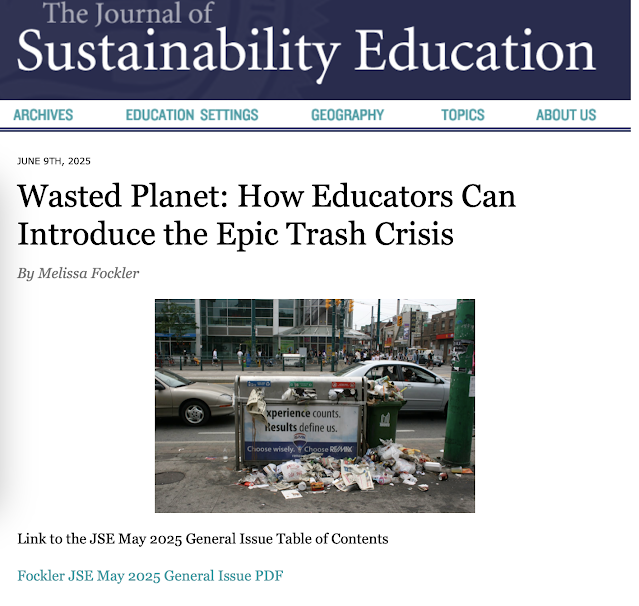
Trash Dialogues is a concept that I developed to have broader conversations about waste, thinking about how everyday trash or municipal solid waste is an economic, geopolitical, ethical, environmental, and socio-cultural issue.
Decluttering contributes to municipal solid waste.
Tossing or throwing things out is a common method of decluttering. This creates a lot of waste. But donating is also a popular method of getting rid of the clutter in our lives, and is also a wasteful practice.
Overconsumption leads to a high volume of donations, which often overwhelm charity systems. As a result, many donated items end up dumped – buried, burned or shipped to the Global South.
Decluttering is about tidying up. Trash Dialogues is about revealing the messiness of consumer culture and talking about it, not sweeping it under the ‘donated’ rug.
How do you feel about perceived and planned obsolescence? Do you feel 'trash guilt'? How do you feel about garbage being a racial injustice issue and contributing to climate change?
What I call Wasted Planet Movements helps promote Trash Dialogues. These movements are about raising awareness of the trash crisis, using different communication tools like podcasts, social media, and petitions to peacefully advocate for environmental justice, speaking up for ecosystems and marginalized communities who are suffering or oppressed by global waste.


Comments
Post a Comment